















In today’s education landscape, efficiency and accuracy are more important than ever. As class sizes grow and administrative demands increase, traditional grading methods are becoming harder to sustain. Manual grading is not only time-consuming but also prone to human error and inconsistencies between graders.
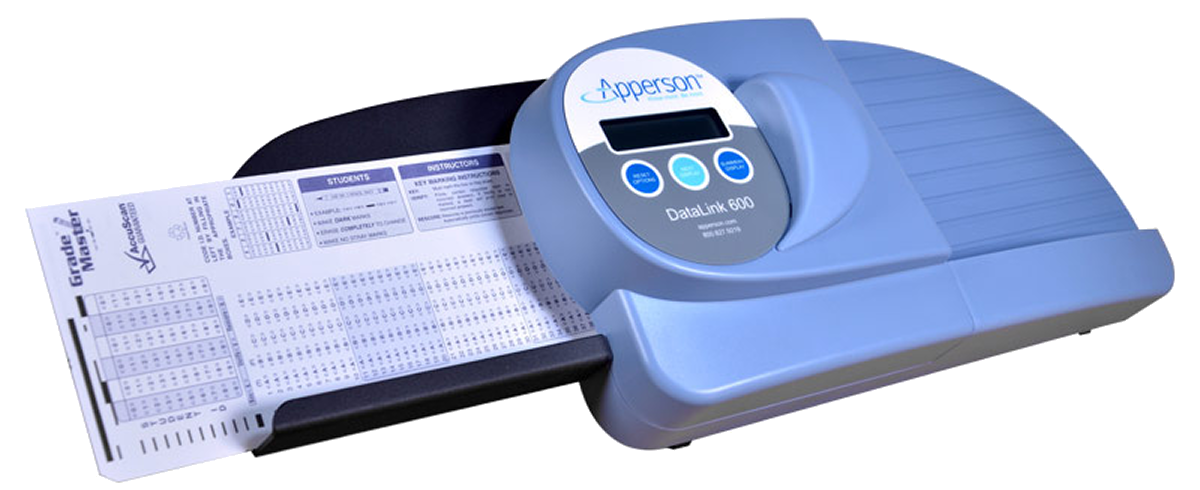
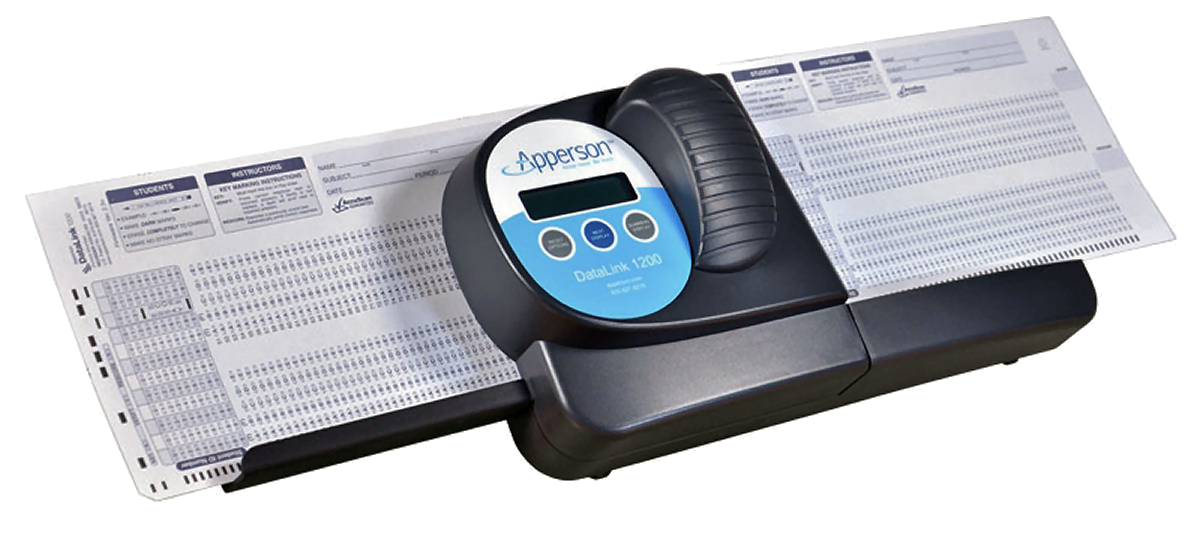
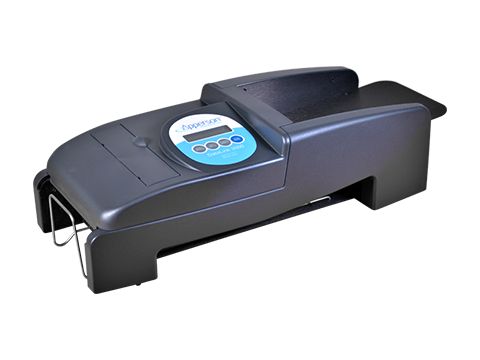
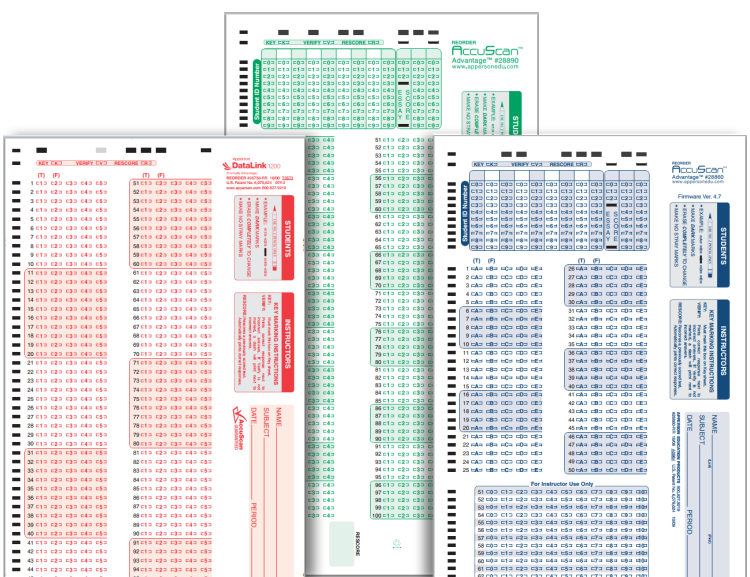
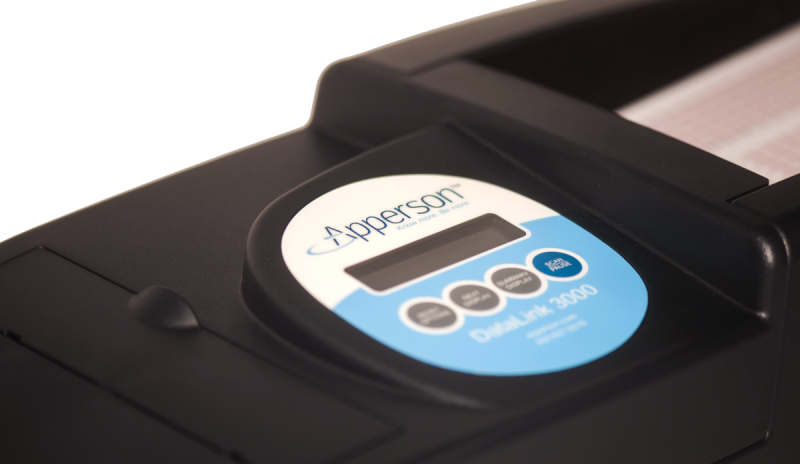
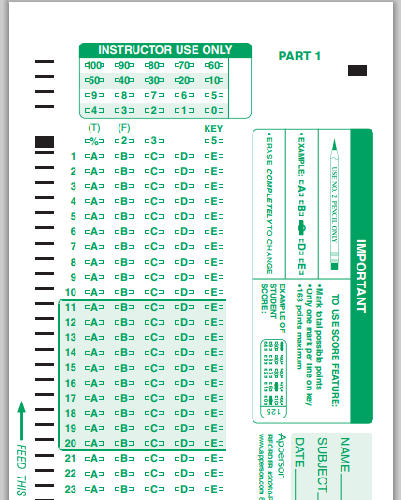
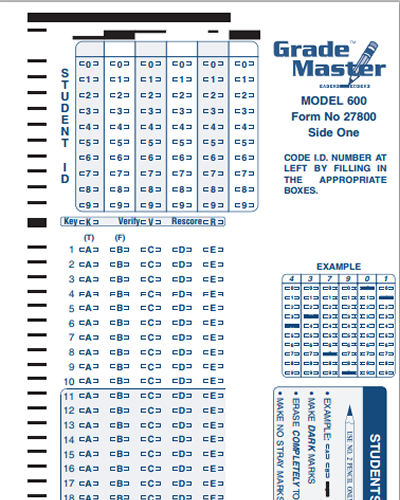
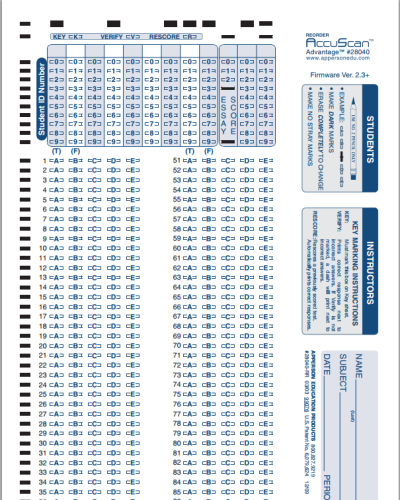
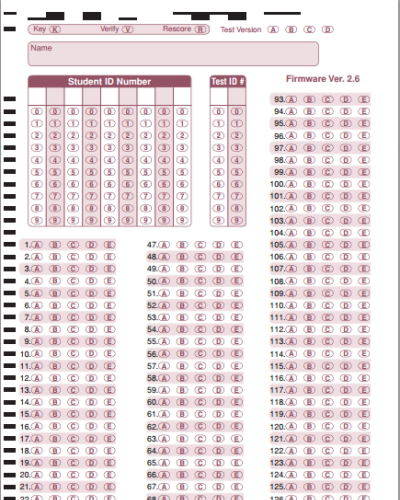
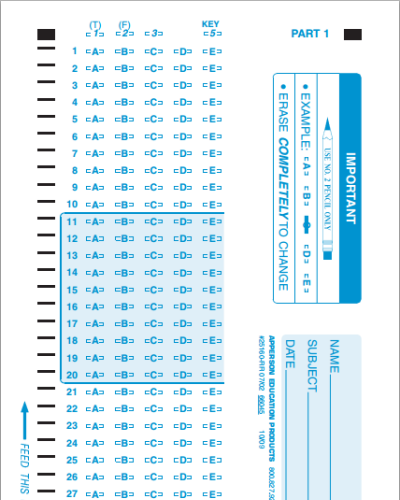
To address these challenges, many schools are turning to automated grading systems, such as Optical Mark Recognition (OMR), to modernize their assessment processes.
Overcoming the Limits of Manual Grading
Manual grading requires significant time and effort from teachers. Checking each paper individually, calculating scores, and recording results can take hours—or even days—especially during peak exam periods.
In addition, human factors such as fatigue and oversight can lead to grading errors or inconsistencies. Different graders may interpret answers slightly differently, which can affect fairness and reliability.
Automated grading systems eliminate these issues by scanning and evaluating answer sheets using consistent logic. Results are generated within minutes, ensuring both speed and uniformity across every paper.
Reducing Operational Costs
One of the key advantages of automated grading systems is cost efficiency. By significantly reducing the need for manual labor, schools can lower operational expenses associated with exam processing.
OMR systems can process thousands of answer sheets per hour, making them ideal for schools, colleges, and large educational institutions. This scalability ensures that even high-volume assessments can be managed quickly and affordably.
Enhancing the Student Experience
Faster grading doesn’t just benefit schools—it greatly improves the experience for students as well.
With automated systems:
- Results are delivered much quicker
- Grading is more transparent and consistent
- The risk of errors is minimized
This allows students to receive timely feedback, understand their performance, and focus on improvement without unnecessary delays or confusion.
Real-World Impact
Educational institutions that have adopted OMR-based grading systems report significant improvements in efficiency and accuracy. Processing times are dramatically reduced, enabling schools to publish results faster than ever before. At the same time, the consistency of automated evaluation enhances trust in the grading system among both students and educators.
Automated grading systems are no longer a luxury—they are becoming essential for modern education. By improving speed, reducing costs, and ensuring consistent evaluation, tools like OMR are transforming how schools manage assessments. As institutions continue to embrace digital solutions, automated grading stands out as a powerful step toward a more efficient, reliable, and student-focused education system.
