



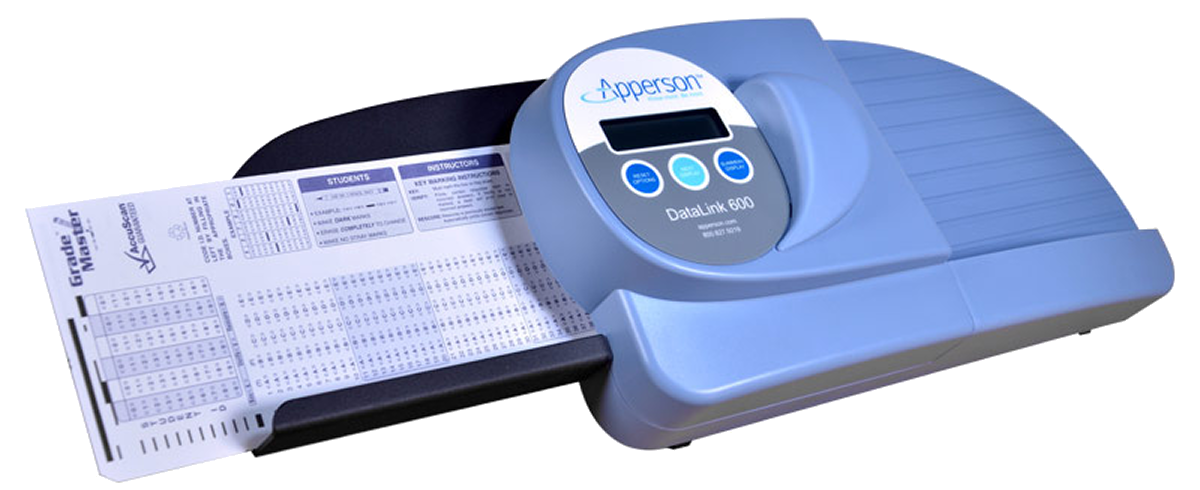
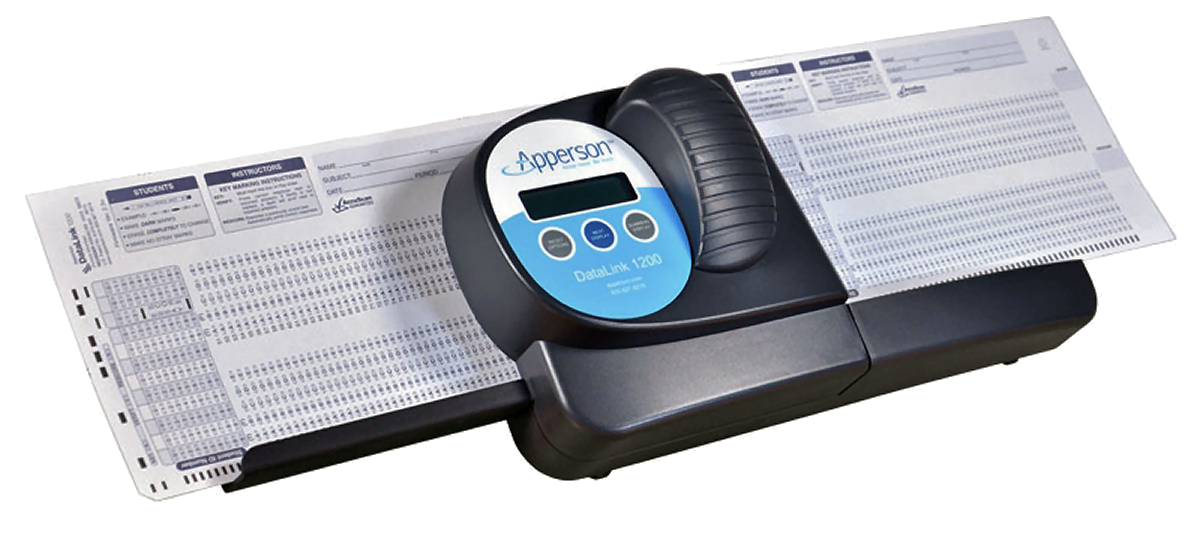
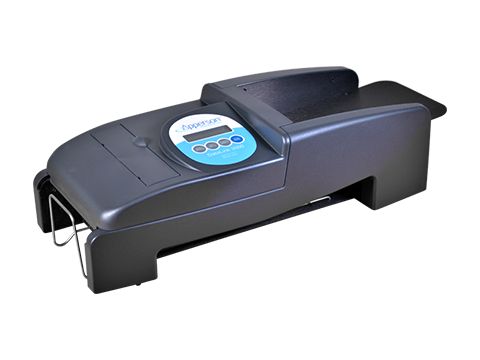
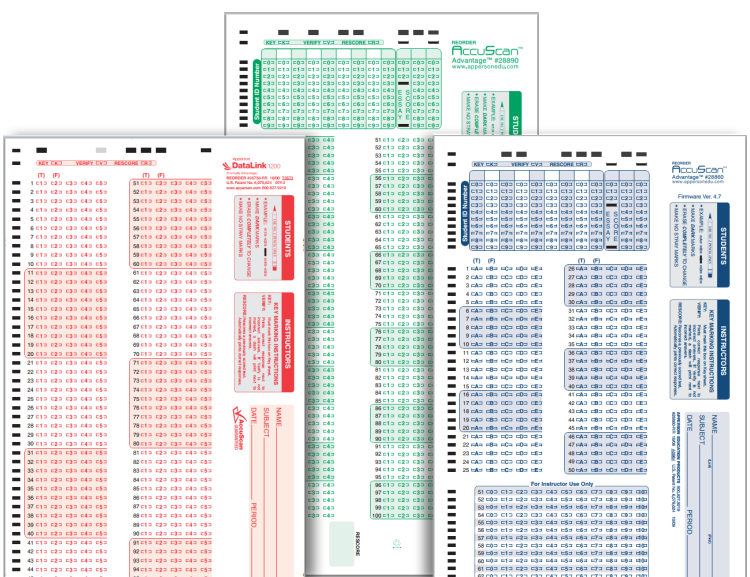









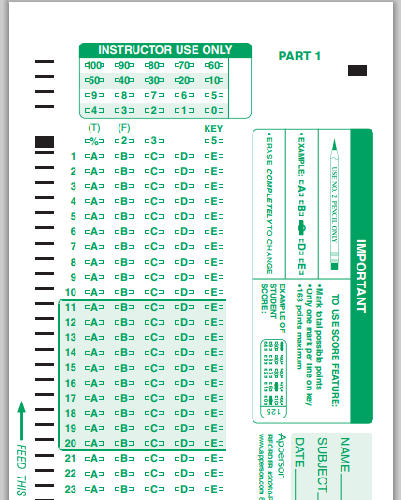
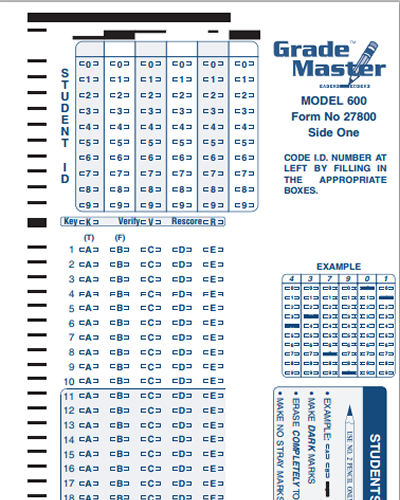
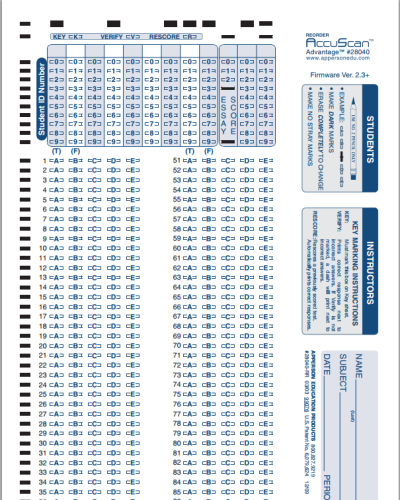
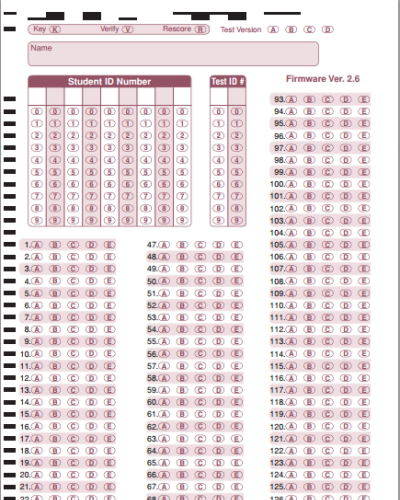
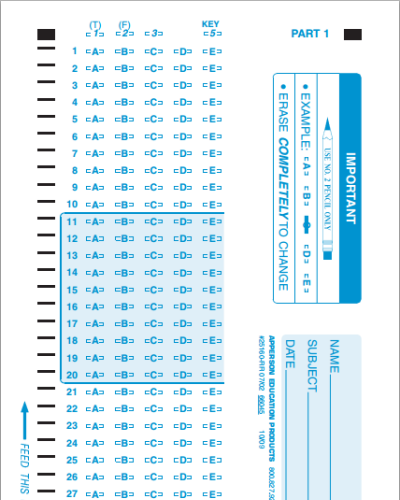
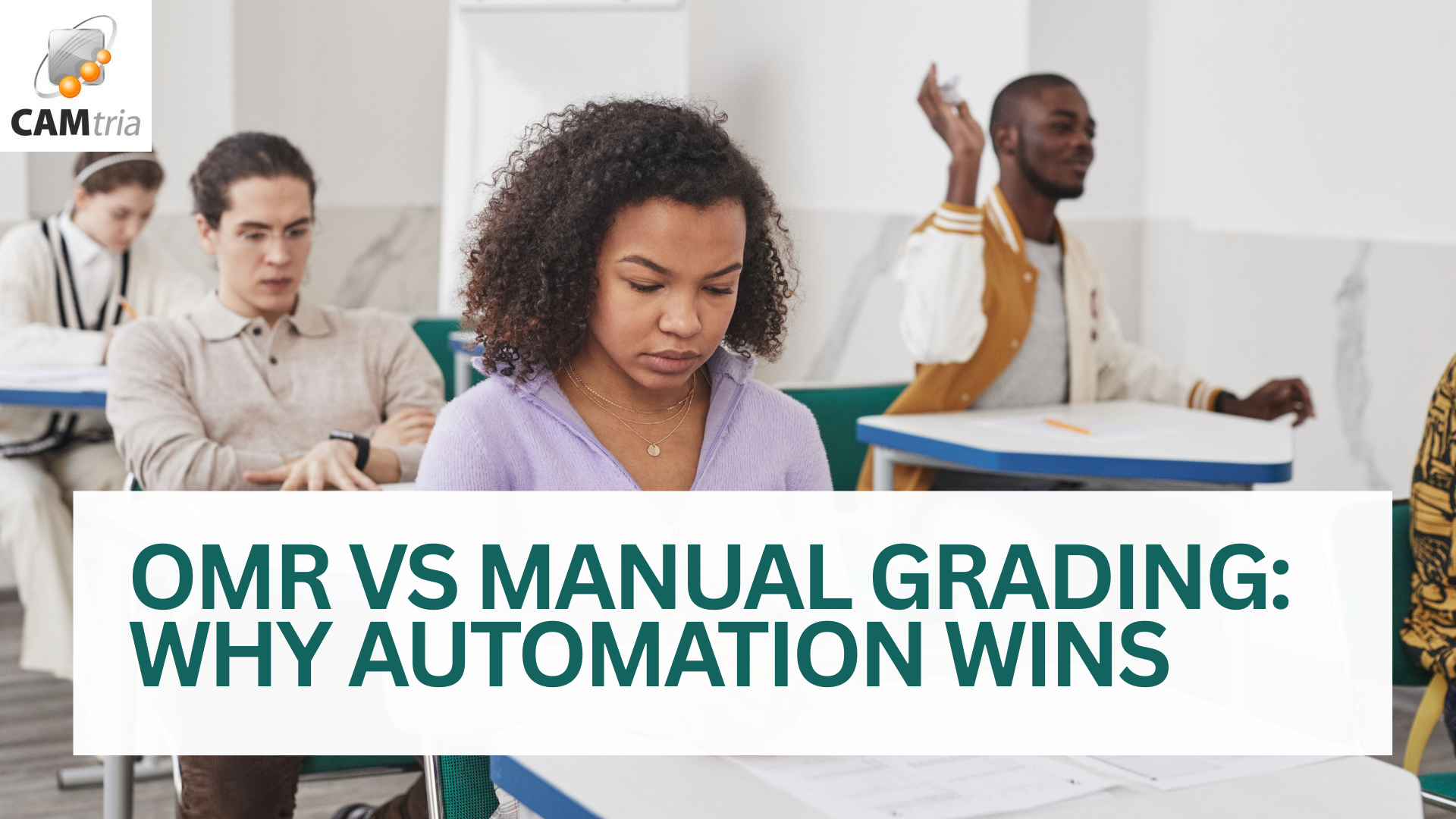
As schools strive to improve efficiency and accuracy in assessments, the debate between manual grading and automated solutions continues to grow. While traditional grading methods have been used for decades, modern technologies like Optical Mark Recognition (OMR) are proving to be far more effective.
Speed Comparison
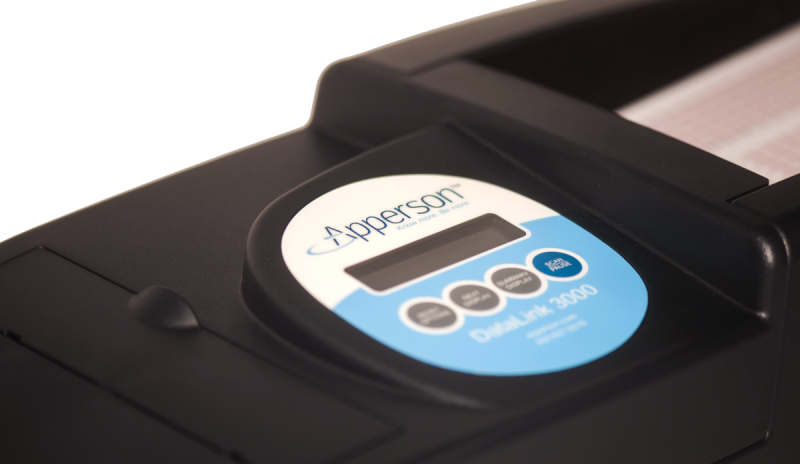
Speed is one of the most noticeable differences between the two approaches. Manual grading can take hours or even days, especially when handling large batches of exam papers. Teachers must review each answer sheet individually, calculate scores, and record results. In contrast, OMR systems can process thousands of sheets in just minutes. Once the answer sheets are scanned, results are generated almost instantly—allowing schools to deliver faster feedback and reduce turnaround times significantly.
Accuracy Comparison
Manual grading always carries the risk of human error. Fatigue, distractions, and repetitive tasks can lead to mistakes in marking or score calculation.
OMR systems, on the other hand, offer very high accuracy when used correctly. By applying consistent evaluation logic across all answer sheets, OMR ensures fair and reliable results for every student.
Data & Reporting
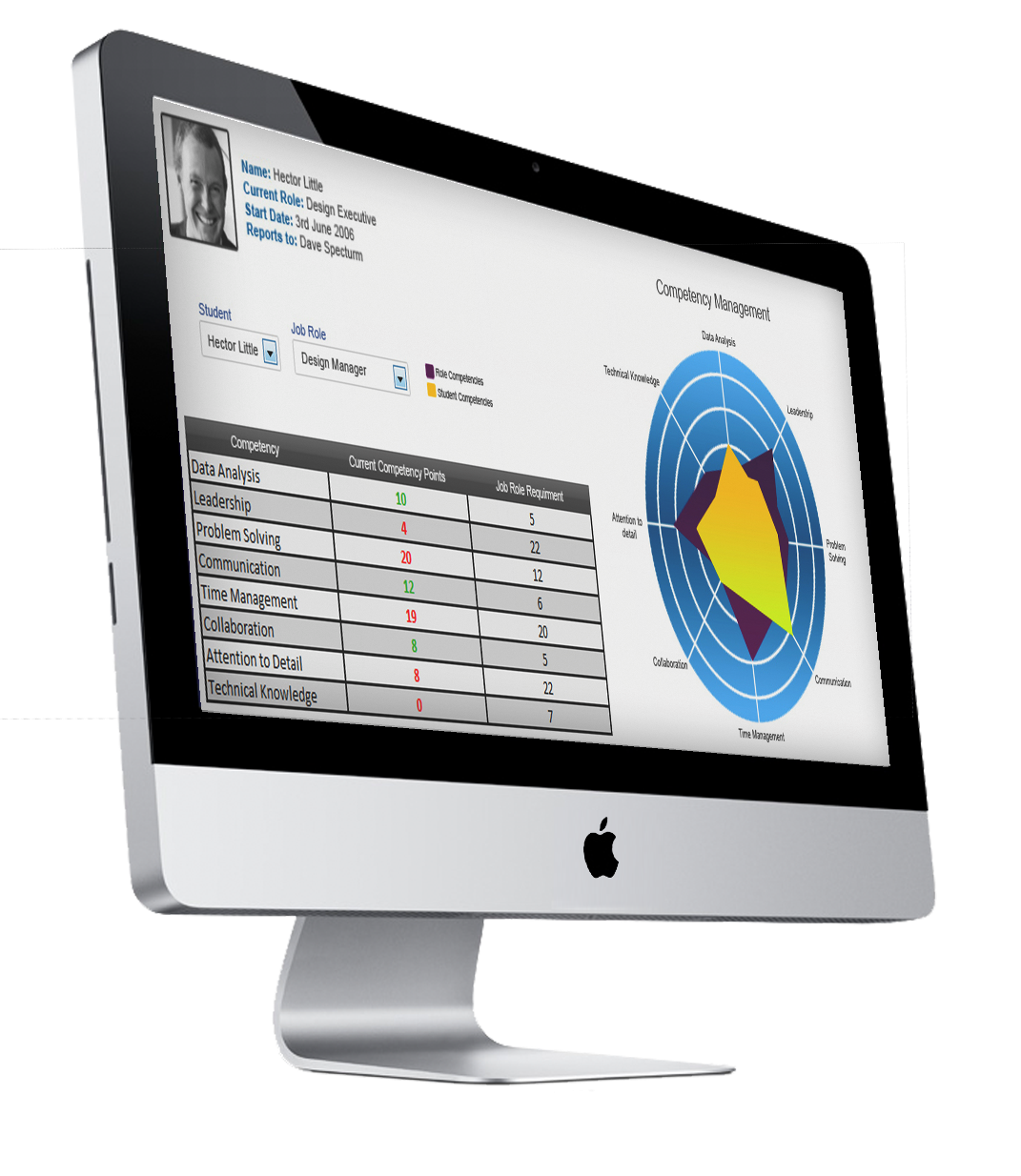
One of the major advantages of OMR technology is its ability to generate data automatically.
Instead of simply producing scores, OMR systems provide:
- Detailed performance reports
- Question-wise analysis
- Class-level insights
- Identification of common mistakes
These analytics help educators make data-driven decisions, adjust teaching strategies, and improve overall learning outcomes.
Scalability
Manual grading becomes increasingly difficult as the number of students grows. Large-scale exams require more time, effort, and coordination, often leading to delays. OMR is built for scalability. Whether it’s a small classroom test or a large institutional exam, the system can efficiently handle hundreds or even thousands of answer sheets without compromising speed or accuracy.
Teacher Workload
Grading is one of the most time-consuming administrative tasks for teachers. Excessive grading workload can take time away from lesson planning, student interaction, and personalized support. By automating the grading process, OMR significantly reduces this burden. Teachers can focus more on teaching and engaging with students, rather than spending long hours on repetitive evaluation tasks.
Final Verdict
When comparing manual grading and OMR, the advantages of automation are clear. OMR outperforms traditional methods in speed, accuracy, efficiency, and scalability. The shift toward automated grading is a natural step for modern education systems. With its ability to deliver faster results, ensure consistent evaluation, and provide valuable insights, OMR is transforming how schools manage assessments.
For institutions looking to improve efficiency and reliability, adopting OMR is no longer just an upgrade—it’s a necessity.
